
Wealth Management High Net Worth Strategies for Long-Term Financial Success
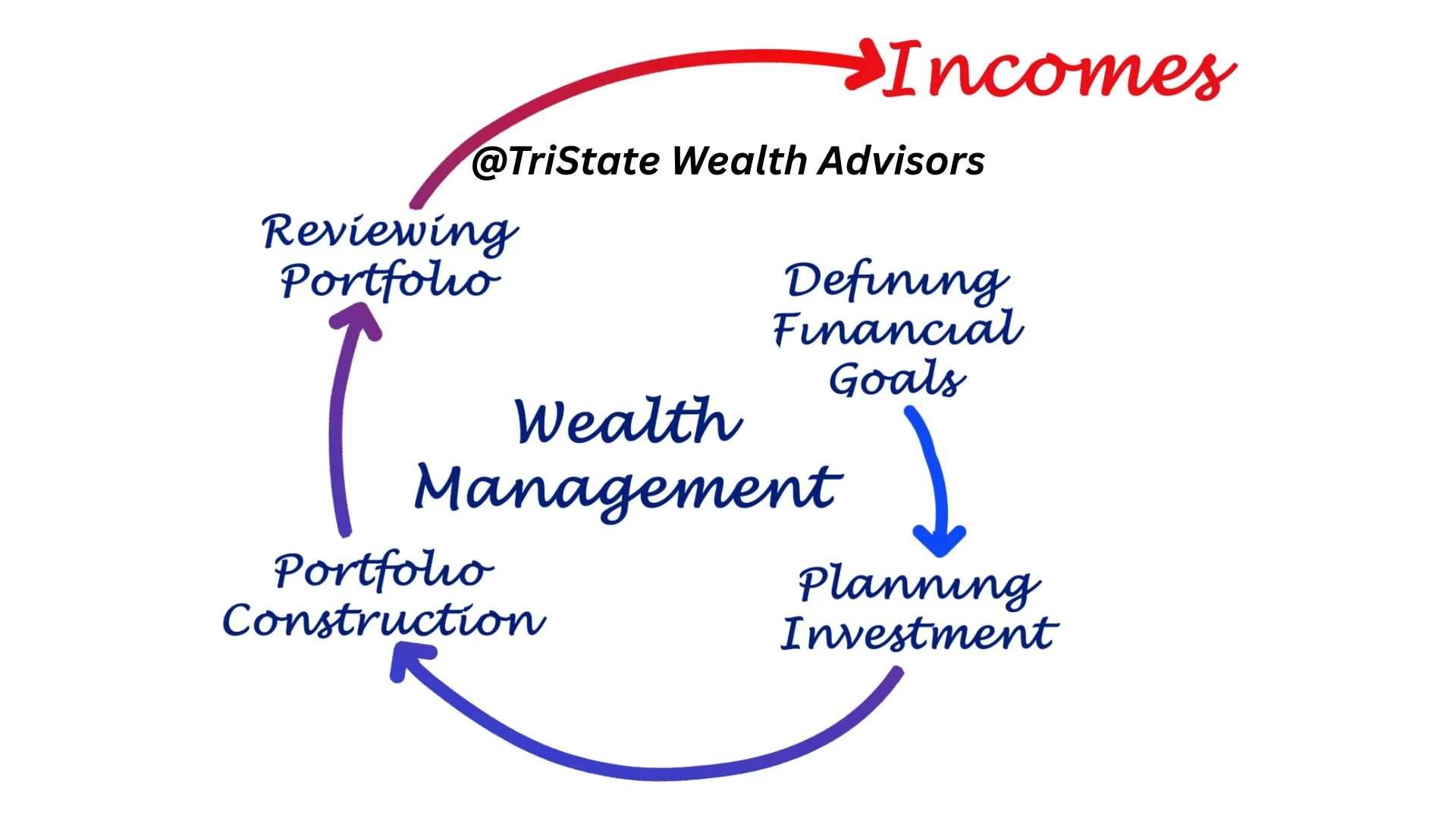
For affluent families, executives, entrepreneurs, and professionals, wealth management high net worth planning is no longer just about investment performance. As wealth expands, financial complexity grows alongside it.
Tax exposure increases, estate considerations become more sophisticated, retirement planning requires more precision, and investment decisions carry greater long-term consequences.
A comprehensive wealth management high net worth strategy helps coordinate every moving piece of your financial life into one integrated framework. Instead of disconnected advice from multiple providers, high-net-worth individuals benefit from unified planning designed to preserve wealth, reduce unnecessary risk, and position assets for long-term growth.
Recent market data indicates that equity valuations remain elevated compared to long-term historical averages, while interest rates and inflation continue influencing portfolio construction decisions. In this environment, proactive wealth management high net worth planning becomes increasingly important for protecting purchasing power and sustaining multigenerational wealth.
Why Wealth Management High Net Worth Planning Matters
The financial challenges facing affluent households are significantly different from those facing average investors. A successful physician, business owner, or executive often has concentrated equity positions, deferred compensation plans, multiple income streams, and complex tax obligations.
Without coordinated wealth management high net worth planning, opportunities can easily be missed. Investment decisions may create avoidable tax burdens. Estate plans may become outdated. Retirement income strategies may fail to account for longevity or inflation risk.
A dedicated advisor providing wealth management high net worth services helps ensure every component of your financial plan works together. Investment strategy, tax planning, retirement preparation, insurance coverage, and estate coordination all become part of a unified long-term strategy.
Who Benefits Most from Wealth Management High Net Worth Services
Many affluent households eventually outgrow basic financial planning. At higher income and asset levels, financial decisions become more interconnected and require a broader strategic approach.
Individuals who often benefit from wealth management high net worth services include:
Business owners with succession planning needs
Executives with stock options or restricted stock units
Medical professionals with high income and liability concerns
Attorneys and consultants with partnership compensation
Families managing inherited wealth
Retirees seeking sustainable income strategies
Entrepreneurs planning for liquidity events
Investors with concentrated stock exposure
As wealth accumulates, protecting assets becomes just as important as growing them. A well-structured wealth management high net worth strategy focuses on both objectives simultaneously.
Investment Planning in Wealth Management High Net Worth Strategies
Investment management remains a foundational component of wealth management high net worth planning, but affluent investors require more than generic portfolio allocation models.
Recent market research from 2025 shows that the largest companies in the S&P 500 account for a historically elevated percentage of total market capitalization. This concentration increases portfolio risk for investors heavily exposed to major index positions.
A sophisticated wealth management high net worth investment strategy addresses:
Diversification across asset classes
Concentration risk management
Tax-efficient portfolio construction
Liquidity planning
Alternative investment exposure
Income generation strategies
Risk-adjusted return optimization
High-net-worth investors also benefit from disciplined rebalancing strategies that align with evolving market conditions and long-term goals.
According to recent market reports, forward market valuations remain above historical averages. This reinforces the importance of maintaining diversified portfolios rather than relying excessively on a narrow group of high-performing stocks.
Tax Efficiency and Wealth Management High Net Worth Planning
Taxes often become one of the largest long-term drags on wealth accumulation for affluent households. Coordinated wealth management high net worth planning focuses heavily on tax efficiency because even small improvements can generate meaningful long-term savings.
Tax-efficient strategies may include:
Strategic Asset Location
Different investment accounts receive different tax treatment. Proper placement of investments across taxable, tax-deferred, and tax-free accounts can improve after-tax returns over time.
Roth Conversion Strategies
During lower-income years, selective Roth conversions may help reduce future required distributions and improve retirement tax flexibility.
Charitable Planning
Donor-advised funds and charitable gifting strategies may help reduce taxable income while supporting philanthropic goals.
Capital Gains Management
Managing gains strategically helps reduce unnecessary tax exposure and preserve portfolio growth potential.
Business Tax Coordination
Entrepreneurs and closely held business owners often require integrated tax planning tied directly to retirement and succession strategies.
A comprehensive wealth management high net worth approach coordinates tax planning alongside investment decisions rather than treating them separately.
Retirement Planning for High-Net-Worth Families
Retirement planning changes dramatically for affluent households. Instead of simply replacing income, wealth management high net worth retirement strategies focus on sustainability, flexibility, and legacy preservation.
Recent retirement research indicates that healthy couples at age 65 have a significant probability of one spouse living into their 90s. This means retirement income may need to support a lifestyle for 30 to 35 years or longer.
Effective wealth management high net worth retirement planning includes:
Withdrawal sequencing strategies
Social Security optimization
Pension coordination
Tax-aware income planning
Healthcare expense preparation
Long-term care considerations
Inflation protection
Legacy and estate integration
Affluent retirees also face unique challenges around required minimum distributions, concentrated assets, and balancing current lifestyle goals with long-term wealth transfer objectives.
Managing Longevity Risk Through Wealth Management High Net Worth Strategies
Longevity risk is one of the most underestimated challenges in retirement planning. Many affluent individuals underestimate how long retirement may last and how inflation compounds over decades.
A disciplined wealth management high net worth strategy helps address longevity risk through diversified investments, income planning, and sustainable withdrawal approaches.
Recent retirement studies suggest that inflation-adjusted spending patterns can fluctuate significantly throughout retirement. Healthcare expenses often rise later in life, while discretionary spending may shift over time.
Preparing for these evolving needs requires ongoing review and adjustment. Long-term planning is not a one-time event. Effective wealth management high net worth guidance adapts continuously as markets, tax laws, and personal circumstances change.
Estate Planning and Wealth Transfer
Estate planning is a critical component of wealth management high net worth services because preserving family wealth requires careful legal and financial coordination.
Affluent families often face concerns including:
Estate tax exposure
Probate avoidance
Family governance
Business succession
Charitable legacy planning
Asset protection
Trust structuring
Multigenerational wealth education
An integrated wealth management high net worth strategy ensures your investment strategy aligns with your estate goals. Without coordination, conflicting decisions between legal and financial advisors may reduce efficiency and increase complexity.
Business Owners and Wealth Management High Net Worth Planning
Business owners often hold the majority of their net worth inside their company. This creates unique risks and opportunities that require specialized planning.
Effective wealth management high net worth services for entrepreneurs may include:
Succession Planning
A business transition plan helps maximize company value while preparing for leadership continuity.
Retirement Plan Design
Customized retirement plans can improve tax efficiency while helping attract and retain employees.
Liquidity Event Planning
Preparing before a business sale can dramatically improve after-tax outcomes.
Risk Management
Insurance strategies and asset protection planning help reduce personal and business vulnerabilities.
Cash Flow Coordination
Business income variability requires flexible financial planning strategies.
Entrepreneurs benefit from having a central advisor coordinating legal, tax, and investment planning simultaneously.
Risk Management in Wealth Management High Net Worth Portfolios
Preserving wealth requires managing multiple forms of risk, not just market volatility.
A sophisticated wealth management high net worth strategy evaluates:
Market risk
Inflation risk
Tax risk
Liquidity risk
Concentration risk
Longevity risk
Healthcare costs
Business risks
Legislative changes
Recent economic data continues to show elevated uncertainty surrounding inflation, interest rates, and global economic conditions. These factors reinforce the value of disciplined risk management and diversified planning.
High-net-worth investors often require larger emergency reserves and greater portfolio flexibility because lifestyle expenses and financial obligations are typically more substantial.
The Importance of Coordination in Wealth Management High Net Worth Services
One of the most valuable aspects of wealth management high net worth planning is coordination.
Many affluent households work with multiple professionals, including:
CPAs
Estate attorneys
Insurance specialists
Investment advisors
Business consultants
Without a central coordinator, these professionals may unintentionally work in isolation. A unified wealth management high net worth strategy ensures every advisor works toward consistent long-term objectives.
This coordinated approach can help reduce inefficiencies, improve communication, and create more cohesive financial outcomes.
Market Conditions and Wealth Management High Net Worth Planning
Market environments evolve continuously. Recent financial research indicates that equity valuations remain above long-term averages while economic growth expectations continue moderating.
At the same time, inflation pressures remain elevated relative to historical norms, and interest rates remain significantly higher than much of the previous decade.
These conditions influence every aspect of wealth management high net worth planning, including:
Asset allocation
Fixed income positioning
Cash management
Withdrawal planning
Equity exposure
Tax-loss harvesting
Alternative investments
A disciplined long-term perspective becomes increasingly important during periods of market uncertainty.
Building a Personalized Wealth Management High Net Worth Strategy
Every affluent household has unique priorities. Some focus on retirement readiness. Others prioritize business succession, family legacy planning, or charitable impact.
An effective wealth management high net worth strategy begins with understanding:
Financial goals
Family dynamics
Risk tolerance
Income needs
Tax considerations
Estate objectives
Business interests
Lifestyle expectations
From there, an integrated financial roadmap can be developed that adapts over time.
Choosing the Right Wealth Management High Net Worth Advisor
Not all advisors specialize in complex wealth planning. High-net-worth families should look for professionals with experience coordinating advanced financial strategies.
When evaluating wealth management high net worth advisors, consider:
Fiduciary responsibility
Experience with affluent clients
Tax planning coordination
Estate planning integration
Retirement expertise
Business owner planning capabilities
Investment philosophy
Communication style
Long-term relationships often produce the strongest results because financial planning evolves continuously over decades.
Internal Planning Opportunities for Affluent Families
Many families pursuing wealth management high net worth services also benefit from related planning solutions including:
Retirement income planning
Tax-efficient investing
Estate planning coordination
Business succession consulting
Executive compensation planning
Risk management reviews
Long-term care planning
Charitable giving strategies
Integrating these services under one comprehensive framework can improve both clarity and efficiency.
Questions and Answers
What is wealth management high net worth planning?
Wealth management high net worth planning integrates investments, taxes, retirement planning, estate coordination, and risk management into one comprehensive financial strategy.
Who needs wealth management high net worth services?
Business owners, executives, professionals, retirees, and families with substantial assets often benefit from specialized wealth management services.
How much money is considered high net worth?
Many advisors define high-net-worth households as those with at least $1 million in investable assets, although planning needs vary significantly.
Why is tax planning important in wealth management high net worth strategies?
Tax efficiency helps preserve wealth by reducing unnecessary tax exposure and improving long-term after-tax portfolio growth.
Can wealth management high net worth services help business owners?
Yes. Business owners often require succession planning, retirement plan design, liquidity event preparation, and tax coordination.
How does wealth management high net worth planning address retirement?
It focuses on sustainable income, tax-efficient withdrawals, inflation protection, healthcare planning, and multigenerational wealth preservation.
What is concentration risk in wealth management high net worth portfolios?
Concentration risk occurs when a large portion of wealth is tied to one stock, sector, or business interest, increasing portfolio vulnerability.
How often should high-net-worth families review their financial plan?
Most affluent households benefit from quarterly reviews and additional meetings during major life events or tax planning periods.
What role does estate planning play in wealth management high net worth strategies?
Estate planning helps preserve family wealth, minimize tax exposure, and ensure assets transfer according to long-term family goals.
Why is coordination important in wealth management high net worth planning?
Coordinated planning ensures investment, tax, legal, and insurance strategies work together rather than creating conflicts or inefficiencies.
If you want clarity, confidence, and coordination for your financial future, contact our team today to begin planning.